關于端午節的英語精選
過端午節是為了紀念戰國時期的屈原。這種說法流傳的最廣。下面就是小編收集的關于端午節的英語精選,供大家參考!
【關于端午節的英語精選一】
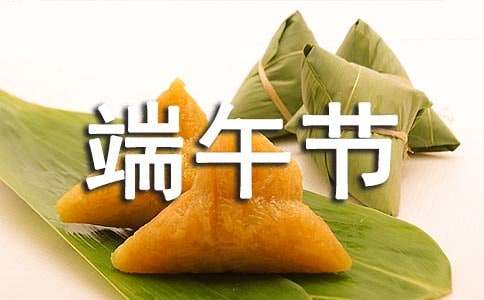
The Dragon Boat Festival to eat dumplings, this is a traditional custom of the Chinese people. Dumplings, also called "zongzi", "drum reed". It has a long history, great variety.
According to records, as early as the spring and autumn period, with wild rice leaf (water bamboo leaf) package millet into horn, called "zongzi"; With bamboo tube meters seal roasted, called "tube of reed. Eastern han dynasty last years, in order to plant ash water immersion millet, because of the water containing alkali, millet rice with wild rice leaf package into quadrangle, cooked, become alkaline reed in guangdong.
Jin dynasty, rice dumplings were formally as the Dragon Boat Festival food. At this time, the raw material except glutinous rice zongzi, add Chinese traditional medicine fructus alpiniae oxyphyllae, boiled dumplings called "educational reed. People weeks place "yueyang people remember" records: "the custom of the wild rice leaf wrapped to millet, boiled, and thoroughly, on May 5 solstice summer solstice of her, a reed, a millet." Northern and southern dynasties, a reed. Meters doping in an animals flesh, chestnut, jujube, red bean, etc., variety. Zongzi is also used as a gift.
In the tang dynasty, rice dumplings, rice has "Bai Ying jade", the cone, the diamond shape. In Japanese literature is recorded "datang rice dumplings. The song dynasty, the existing "candied reed", that is, the fruit into the reed. When the poet su dongpo had "in reed see Yang mei" verse. Then also appeared with rice dumplings into advertising LouTaiTingGe, wooden horses and cattle, explain the song dynasty eating zongzi is very fashionable. Yuan and Ming dynasties, rice dumplings package material has been from wild rice leaf changes to reed leaves, and later appeared in reed leaves package dumplings, additives have appeared, pork, pine nuts, red bean paste, jujube, walnut and so on, variety is more rich and colorful.
Until today, in early may each year, every Chinese people will soak glutinous rice, wash reed leaves, zongzi, its breed of design and color is more diverse. More than the north from filling the bag thread jujube jujube reed to Beijing; The south has bean paste, fresh meat, ham, egg yolk, etc. Various stuffing, which represented by zhejiang jiaxing dumplings. The custom of eating zongzi, one thousand years, a fixture in China, and spread to Korea, Japan and southeast Asian countries.
端午節吃粽子,這是中國人民的又一傳統習俗。粽子,又叫“角黍”、“筒粽”。其由來已久,花樣繁多。
據記載,早在春秋時期,用菰葉(茭白葉)包黍米成牛角狀,稱“角黍”;用竹筒裝米密封烤熟,稱“筒粽”。東漢末年,以草木灰水浸泡黍米,因水中含堿,用菰葉包黍米成四角形,煮熟,成為廣東堿水粽。
晉代,粽子被正式定為端午節食品。這時,包粽子的原料除糯米外,還添加中藥益智仁,煮熟的粽子稱“益智粽”。時人周處《岳陽風土記》記載:“俗以菰葉裹黍米,煮之,合爛熟,于五月五日至夏至啖之,一名粽,一名黍。”南北朝時期,出現雜粽。米中摻雜禽獸肉、板栗、紅棗、赤豆等,品種增多。粽子還用作交往的禮品。
到了唐代,粽子的用米,已“白瑩如玉”,其形狀出現錐形、菱形。日本文獻中就記載有“大唐粽子”。宋朝時,已有“蜜餞粽”,即果品入粽。詩人蘇東坡有“時于粽里見楊梅”的`詩句。這時還出現用粽子堆成樓臺亭閣、木車牛馬作的廣告,說明宋代吃粽子已很時尚。元、明時期,粽子的包裹料已從菰葉變革為箬葉,后來又出現用蘆葦葉包的粽子,附加料已出現豆沙、豬肉、松子仁、棗子、胡桃等等,品種更加豐富多彩。
一直到今天,每年五月初,中國百姓家家都要浸糯米、洗粽葉、包粽子,其花色品種更為繁多。從餡料看,北方多包小棗的北京棗粽;南方則有豆沙、鮮肉、火腿、蛋黃等多種餡料,其中以浙江嘉興粽子為代表。吃粽子的風俗,千百年來,在中國盛行不衰,而且流傳到朝鮮、日本及東南亞諸國。
【關于端午節的英語精選二】
Children admire the perfume pouch will be Dragon Boat Festival, legend has a blast, ward off evil spirits flooding is actually used for inner head ornament adornment. Sweet bursa, cinnabar, realgar, xiang, outsourcing to wire cloth, fragrance 4 excessive, again the five-color silk string into a rope buckle, for a variety of different shapes, form a series, variety, and cute.
Hanging moxa calamus
Minyan said: "the tomb-sweeping day, dragon-boat festival moxa". In the Dragon Boat Festival, people put the moxa and calamus, as one of the important content. Every family cleaning addition, calamus and moxa inserted in the door eyebrow, hanging in the hall. And calamus, folium artemisiae argyi, pomegranate, garlic, dragon boat flower, made human or tiger, called ai, dressed fitch; Made a wreath, accessories, beautiful fragrance, the woman rushed to wear, to drive dysentery.
Ai, and masters, mugwort. The stems and leaves contain volatile oils. Its strange fragrance, can drive flies, ants, purify the air. On traditional Chinese medicine to medicine, rational qi, warming uterus, expelling dampness function. Moxa leaf processing into "moxa", is one of the important medicinal moxibustion treatment.
Calamus is aquatic perennial herbaceous plants, it also contains volatile balmy oil, narrow blade is refreshing:, JianGu hysteresis, insecticidal sterilization drug elimination.
Visible, the ancients inserted moxa and calamus is has a role in disease prevention. "Health day" in the Dragon Boat Festival is also a tradition since ancient times, people in this day cleaning the yard, hanging YiZhi, dangerous calamus, sprinkles realgar water, drink realgar wine, conserving IP turbidity, prevention of sterilization. These activities also reflect the fine tradition of the Chinese nation. Uphill herbalism, the Dragon Boat Festival is China's national common customs.
端午節小孩佩香囊,傳說有避邪驅瘟之意,實際是用于襟頭點綴裝飾。香囊內有朱砂、雄黃、香藥,外包以絲布,清香四溢,再以五色絲線弦扣成索,作各種不同形狀,結成一串,形形色色,玲瓏可愛。
懸艾葉菖蒲
民諺說:“清明插柳,端午插艾”。在端午節,人們把插艾和菖蒲作為重要內容之一。家家都灑掃庭除,以菖蒲、艾條插于門眉,懸于堂中。并用菖蒲、艾葉、榴花、蒜頭、龍船花,制成人形或虎形,稱為艾人、艾虎;制成花環、佩飾,美麗芬芳,婦人爭相佩戴,用以驅瘴。
艾,又名家艾、艾蒿。它的莖、葉都含有揮發性芳香油。它所產生的奇特芳香,可驅蚊蠅、蟲蟻,凈化空氣。中醫學上以艾入藥,有理氣血、暖子宮、祛寒濕的功能。將艾葉加工成“艾絨”,是灸法治病的重要藥材。
菖蒲是多年生水生草本植物,它狹長的葉片也含有揮發性芳香油,是提神通竅、健骨消滯、殺蟲滅菌的藥物。
可見,古人插艾和菖蒲是有一定防病作用的。端午節也是自古相傳的“衛生節”,人們在這一天灑掃庭院,掛艾枝,懸菖蒲,灑雄黃水,飲雄黃酒,激濁除腐,殺菌防病。這些活動也反映了中華民族的優良傳統。端午節上山采藥,則是我國各國個民族共同的習俗。
【端午節的英語】相關文章:
英語作文端午節02-16
端午節英語作文02-18
端午節英語 作文01-10
端午節優秀英語作文12-14
端午節小學英語作文12-22
介紹端午節的英語作文01-08
端午節計劃英語作文12-14
英語作文:端午節的來歷01-26
描寫端午節的英語作文03-06